What If My Kids Don’t Cooperate During Our Family Photo Session?
As a parent to two little ones, I get it. I hear this phrase often…
“What if my kids don’t cooperate?”
Maybe your toddler rarely sits still. Your preschooler has decided they no longer smile on request. Your older child feels uncomfortable in front of the camera—or your siblings can’t stand beside each other without poking, laughing or arguing.
Here is what I want you to know: your children do not need to behave perfectly for us to create meaningful family photographs.
In fact, some of the best images happen after we’ve arranged the pose but before everyone is perfectly “ready.”
They’re the in-between moments.
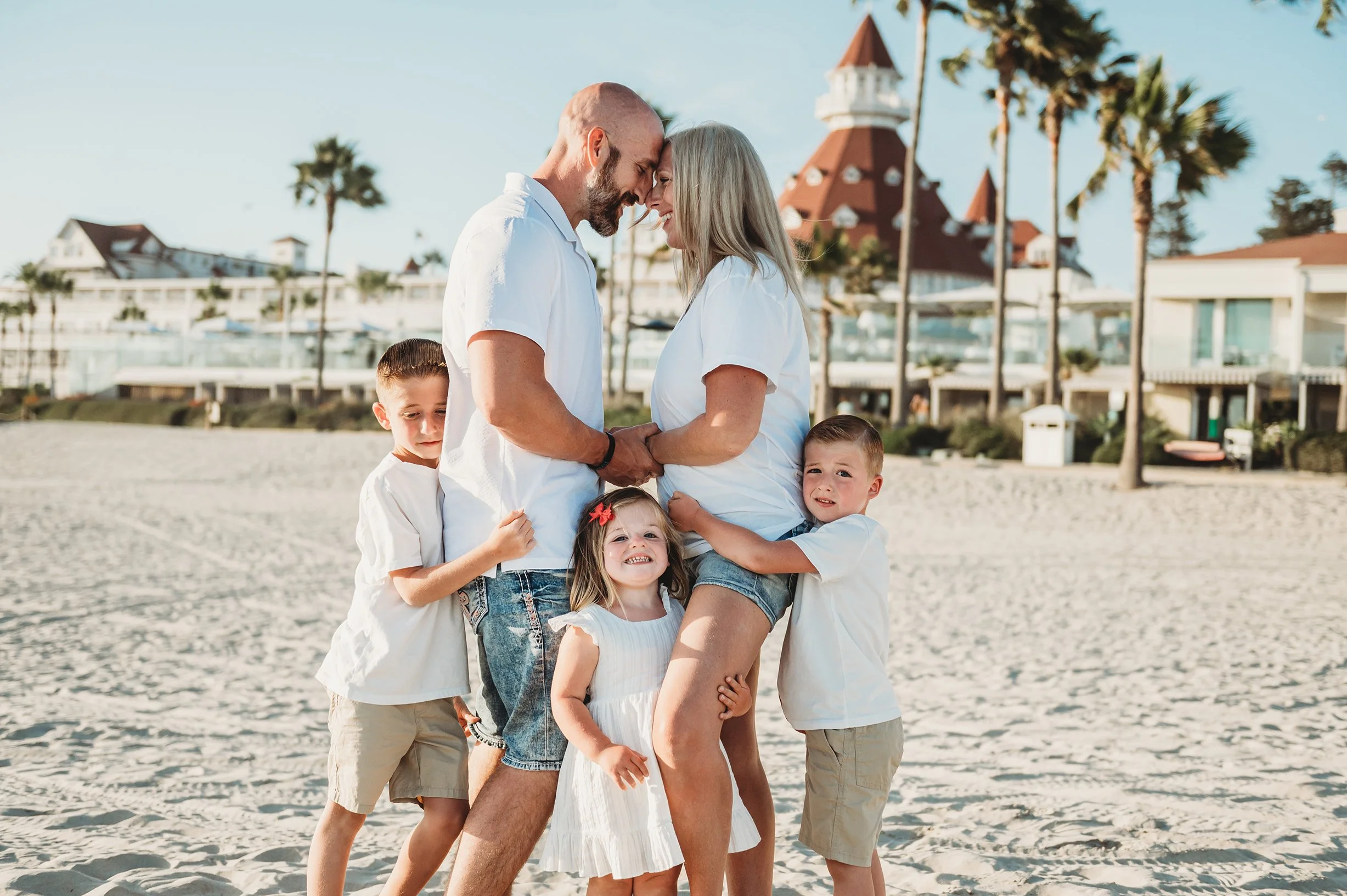
The way your child leans into you when they’re feeling shy. The laugh that happens when siblings look at each other. The little hand reaching for yours. The toddler who runs away—and then races back into your arms.
Those moments may not feel perfectly controlled, but they often feel the most like your family.
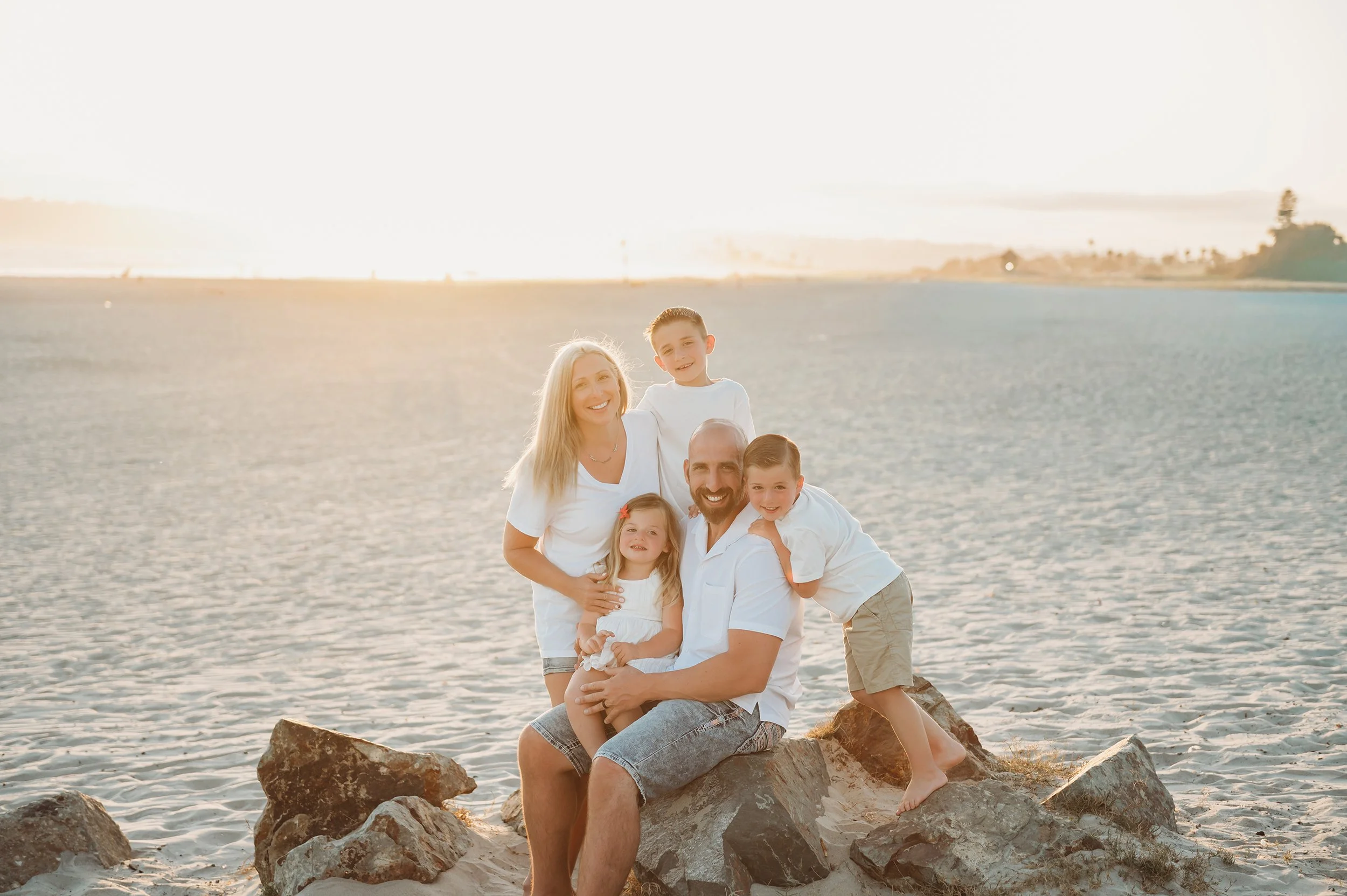
Cooperation doesn’t have to mean sitting still and smiling
Parents sometimes arrive believing a successful family session requires children to:
Stand in exactly the right place
Look at the camera
Keep their hands to themselves
Smile naturally on command
Follow every direction immediately
We will absolutely try to create a few polished portraits where everyone is looking toward the camera. Those photographs matter, especially when you’re updating framed family photos or creating a holiday card.
But that isn’t the only way a child can “cooperate.”
Cooperation might also look like holding your hand while we walk. Snuggling into your shoulder. Playing a quick game. Whispering something silly to a sibling. Being tossed into the air by Dad or twirling with Mom.
Children tend to give us more when the experience feels like connection instead of performance.
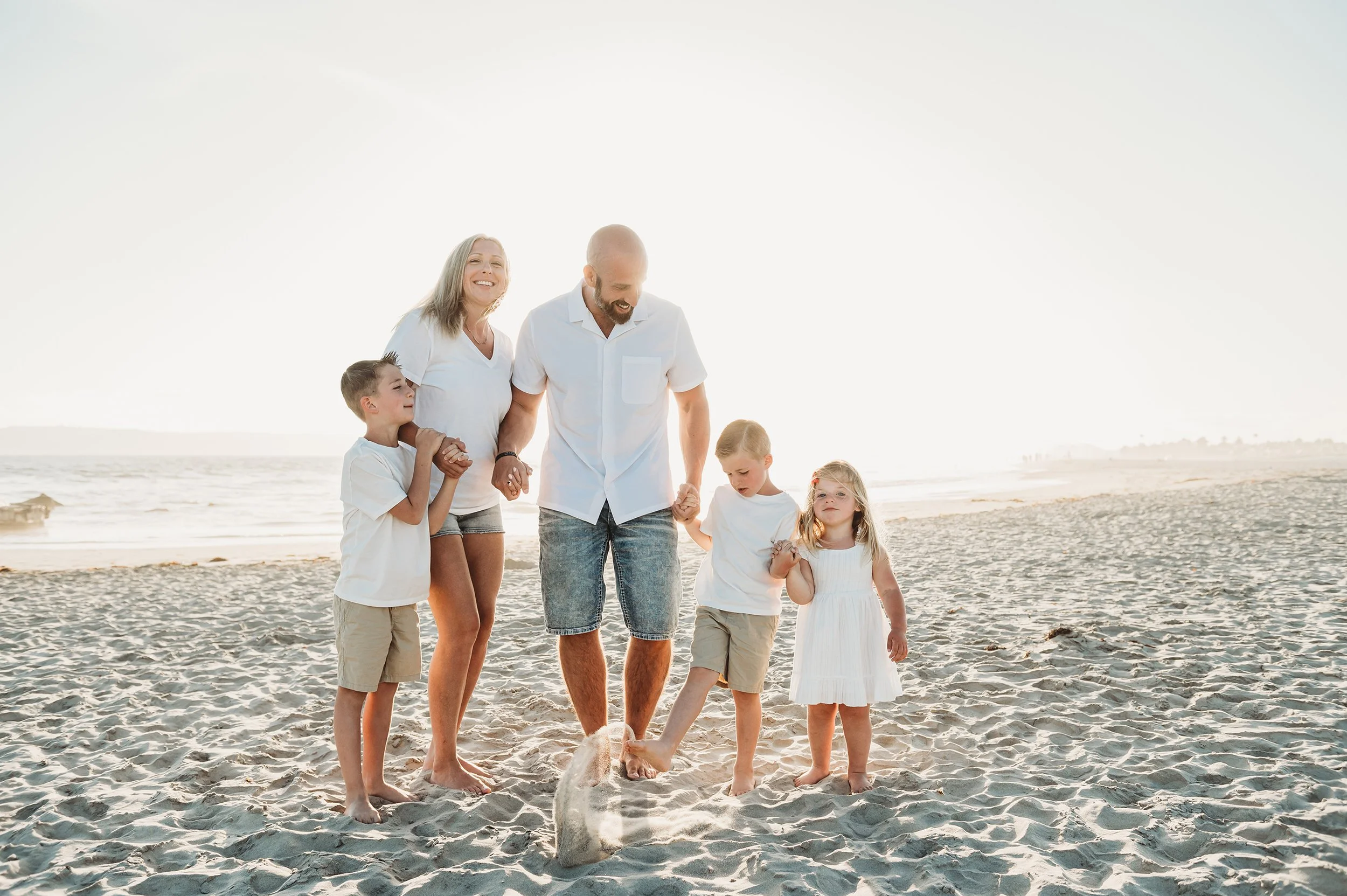
The best photographs often happen between the poses
My job is to provide enough direction to help your family feel comfortable without controlling every second of the experience.
I might place everyone in flattering light, help you get close and begin with a simple pose. But I’m also watching what happens immediately afterward.
That’s often when shoulders relax. Children stop thinking about the camera. Parents look at one another instead of waiting for instructions. Someone laughs, reaches out or leans in.
The initial pose gives us a starting point. The in-between moment gives the photograph its feeling.
These are often the images parents love most because they show more than what everyone looked like. They show how your family interacted during this particular season of life.
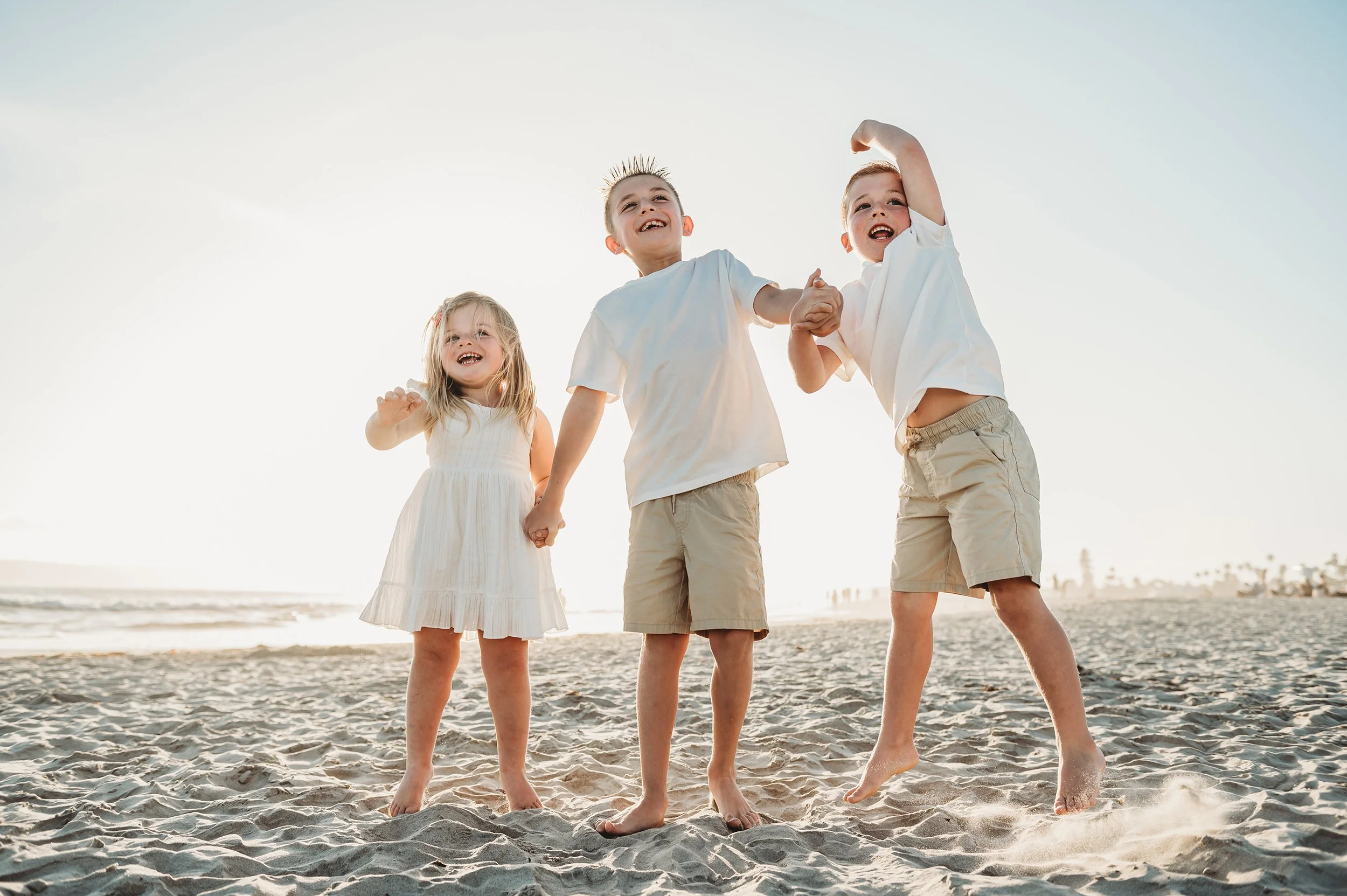
For 15 minutes, let your children be themselves
Mini sessions move quickly, but that doesn’t mean your child needs to be rushed through a checklist.
For those 15 minutes, give your children permission to be themselves.
They may be:
Curious about the sand, rocks or trees
Excited and full of movement
Slow to warm up
A little shy around a new person
Interested in everything except the camera
Silly because they feel nervous
In need of closeness or reassurance
All of that is workable.
If your toddler wants to stay in your arms, we’ll begin there. If your child needs to move, we’ll create movement. If siblings are feeling playful, I’ll use that energy instead of fighting it.
Your child does not need to give me a perfect performance. I want to photograph the personality you know and love.
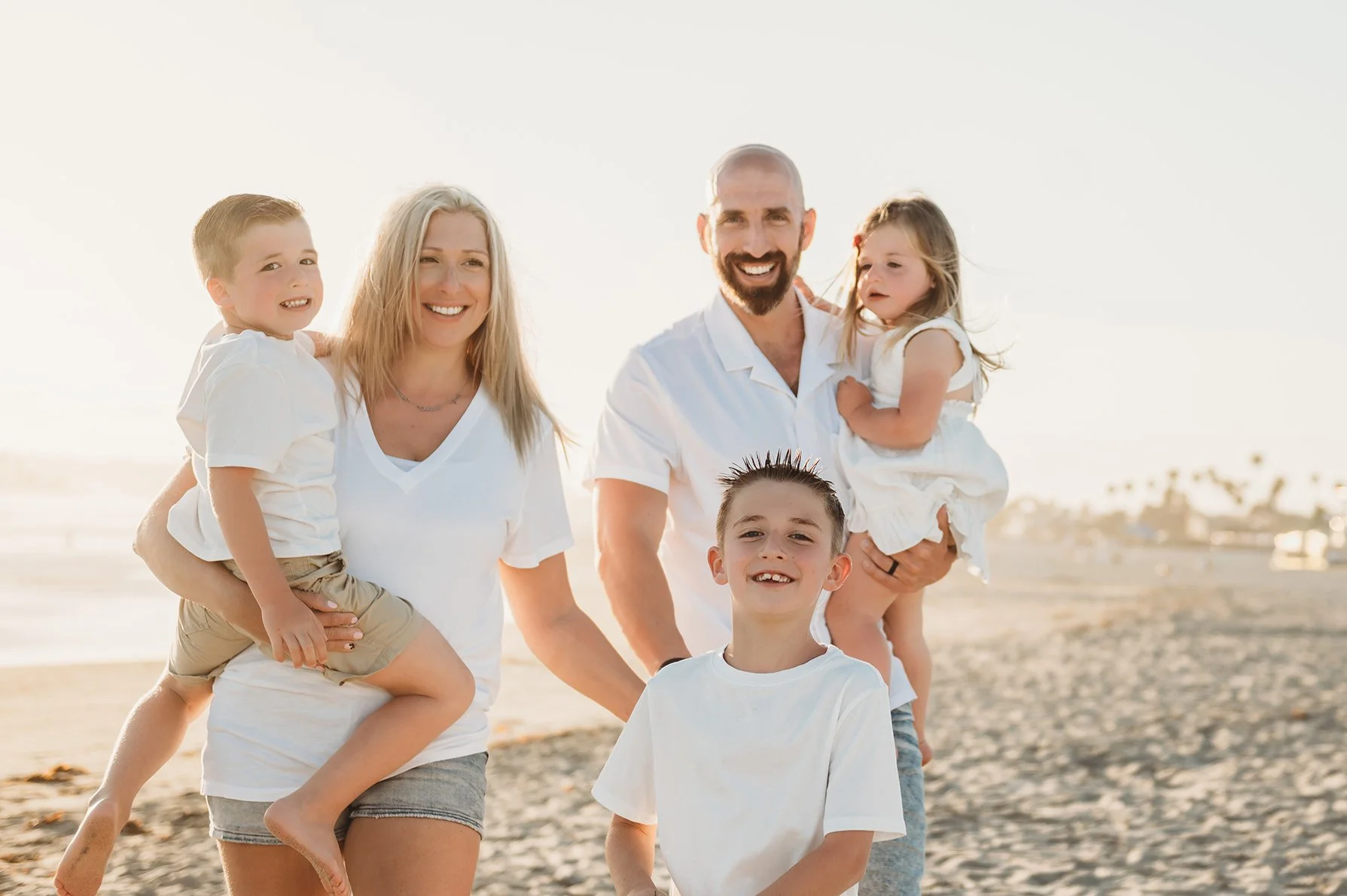
Why pressure can change the session
I completely understand the temptation to correct your children during photos. You invested time and money, coordinated everyone’s outfits and arrived hoping for one beautiful picture of the whole family.
When a child turns away or refuses to smile, it’s natural to feel stressed.
But children are remarkably good at sensing that stress.
Repeated reminders to “smile,” “listen” or “behave” can make a child more self-conscious. If the correction becomes sharp or turns into yelling, a child may shut down, become tearful or resist even more. During a short mini session, it can be difficult for them to emotionally reset before our time ends.
That doesn’t mean parents should ignore unsafe behavior or allow a child to hurt someone. Safety and appropriate boundaries still matter.
For ordinary silliness, movement or hesitation, however, the most helpful thing you can do is stay calm and connected. Let me lead the photography portion while you focus on loving your children through it.
What parents can do instead
If things aren’t unfolding exactly as you pictured, try these approaches:
Stay close
A hand on your child’s back, a hug or a quiet moment together can help them feel secure. We can photograph that connection while they settle in.
Keep your expression camera-ready
Sometimes parents become so focused on getting a child to look at the camera that they stop smiling themselves. Keep your attention warm and relaxed. I’ll work on getting your child’s attention.
Follow the prompt
If I ask everyone to walk, cuddle, tickle or look at one another, lean into it. Your willingness to participate helps children see the session as something fun rather than another set of instructions.
Allow a little silliness
A silly face, unexpected dance or burst of laughter is not necessarily interrupting the session. It may be the thing that helps everyone relax—and gives us the photograph that best captures your child.
Let go of perfection
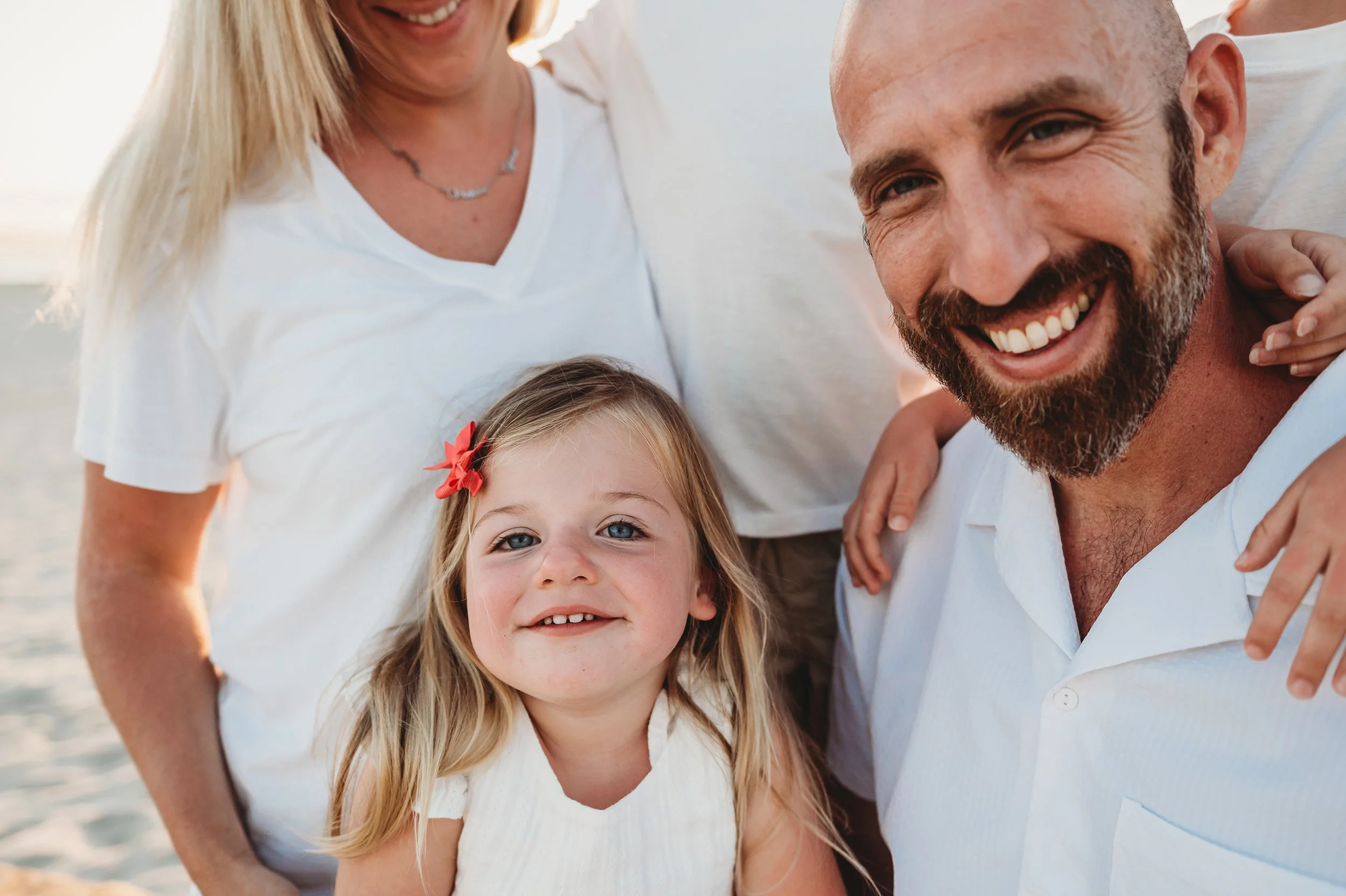
A successful family gallery doesn’t require every image to show everyone looking at the camera. Your child’s genuine laugh, your reassuring embrace or the way your family moves together may mean even more later.
How to prepare children before the session
Preparation can help, but keep the conversation light.
Rather than saying, “You need to behave and smile for the photographer,” try:
“We’re going to spend a few minutes playing and taking family pictures with Amy. She’ll tell us what to do, and then we’ll do something fun together afterward.”
You can also help by:
Making sure children are rested and fed
Choosing clothing and shoes that feel comfortable
Avoiding a packed or stressful schedule immediately beforehand
Bringing a small, non-messy snack
Packing a comfort item for a young child
Allowing enough time to park and arrive without rushing
Avoiding unfamiliar rewards that create pressure around “performing”
A simple plan for after the session—such as getting ice cream or visiting a nearby playground—can give children something positive to anticipate.

What if my child still has a difficult day?
Children are human. Sometimes they’re tired, nervous, overstimulated or simply having a hard day.
We’ll adjust.
That might mean keeping your child in your arms, focusing on movement or capturing a quieter kind of connection. Not every beautiful family photograph needs a huge smile.
You may leave the session remembering the moments that felt unpredictable. I may leave remembering the second your child relaxed against your shoulder, the laugh I caught while they were running or the way your whole family came together to comfort them.
The camera often sees something beautiful in moments that felt imperfect while they were happening.
You don’t need a perfectly behaved family
You simply need to show up willing to be present with one another.
I’ll guide the posing, watch the light and help keep the session moving. Your job is to love your children, stay flexible and trust that the in-between moments are part of the story—not mistakes we need to eliminate.
Your family doesn’t need to look perfect.
They only need the freedom to look like themselves.
Ready to update your family photographs? Hit that contact button and let’s get started.